
Dr Julian Steele Awarded ARC Future Fellowship
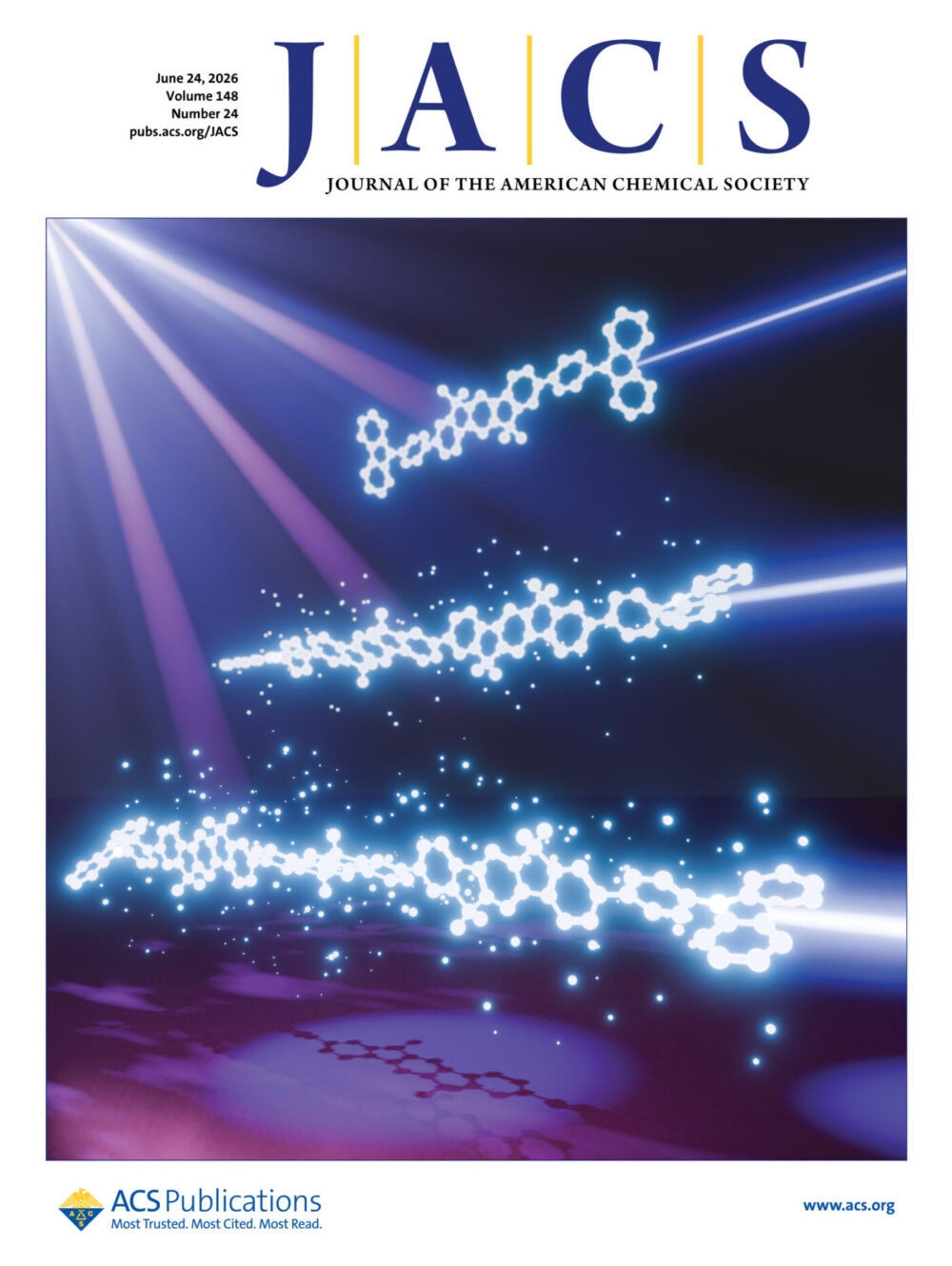
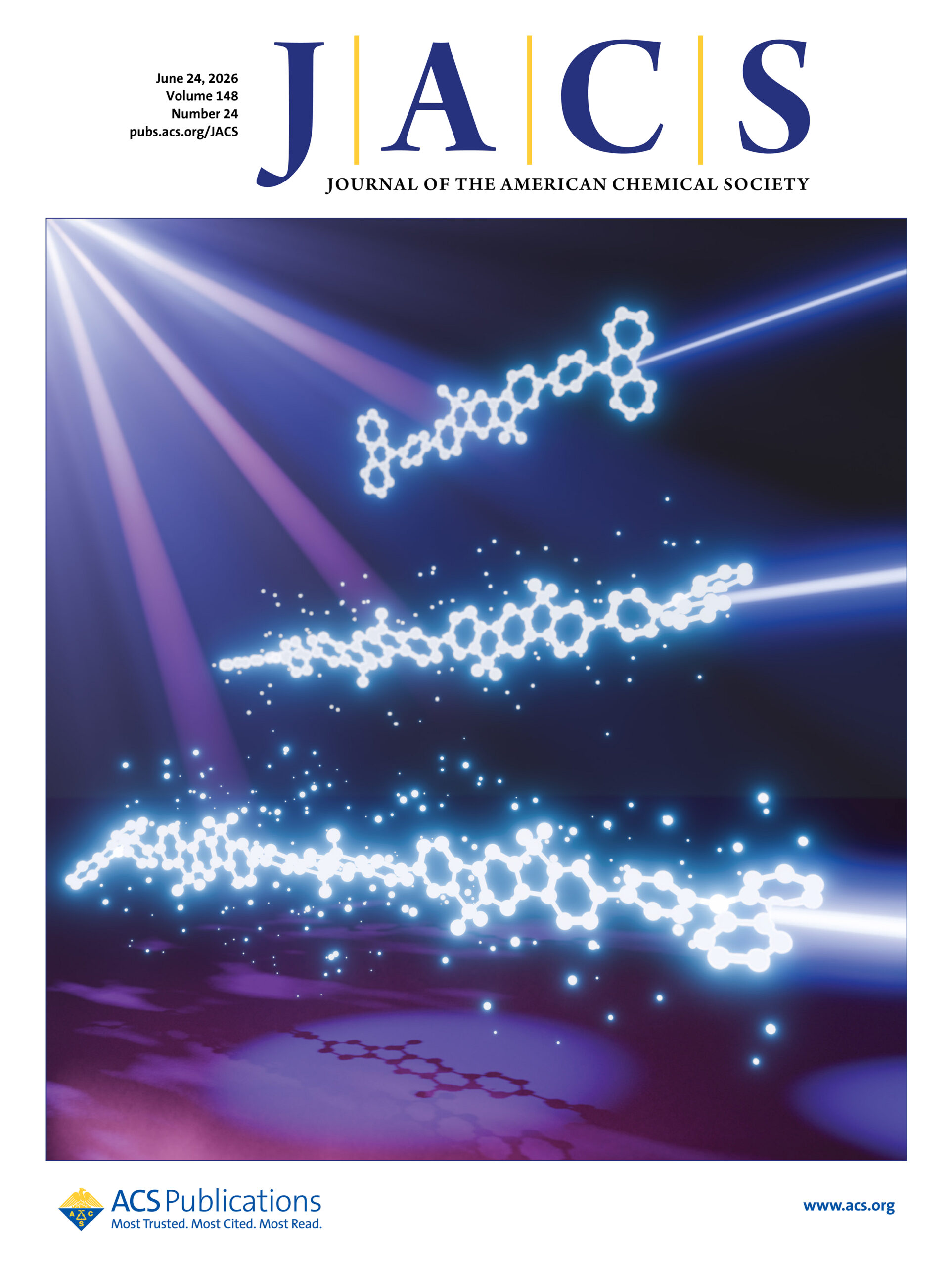
We are delighted to share that our collaborative research on organic semiconductor lasers has been featured on the Journal of the American Chemical Society (JACS, https://pubs.acs.org/toc/jacsat/148/24), highlighting the international significance and impact of this research in advanced photonic materials. This recognition reflects the success of a strong international collaboration with leading global researchers, and showcases the collective research excellence of the collaborating teams. The cover further strengthens the international profile of the partnership and supports future collaborative research, innovation, and scientific advancements in organic semiconductors.

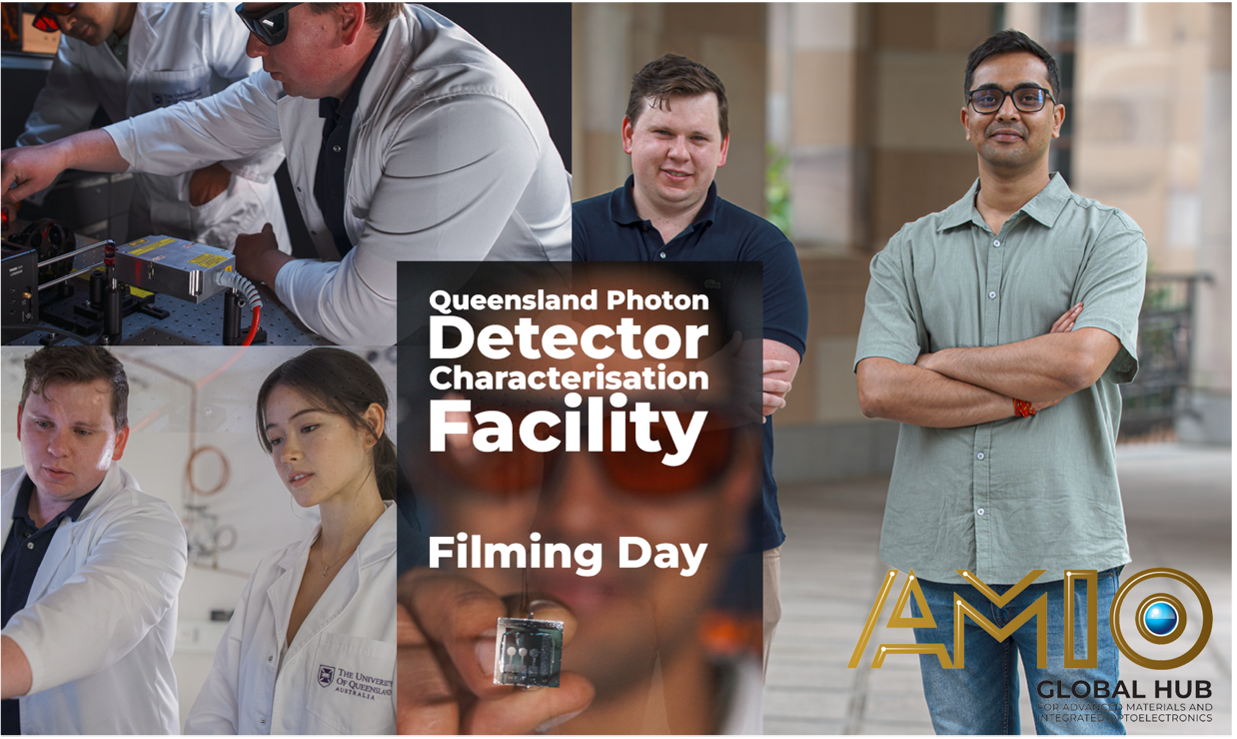
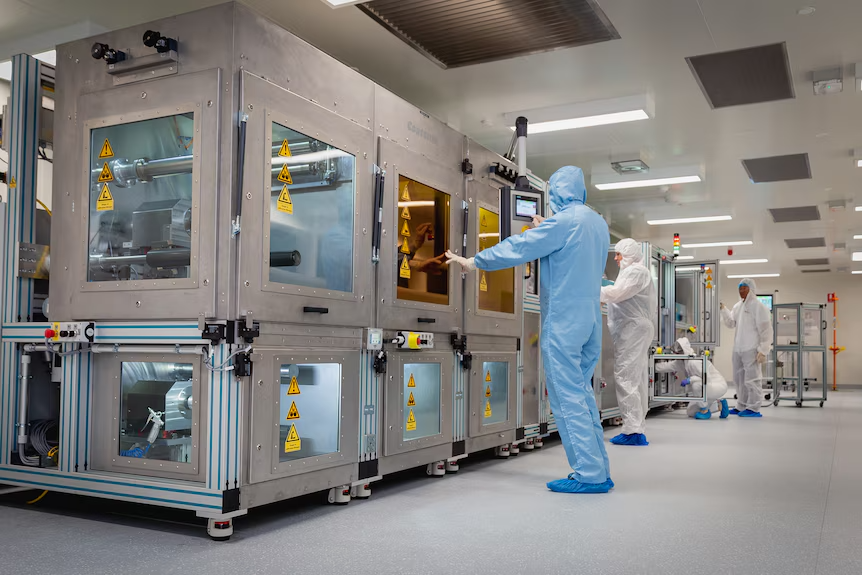
Our state-of-the-art Queensland Photon Detector Characterisation Facility (QPDC) is open for business. The facility provides the development of next-generation visible and near-infrared photon detectors based on advanced semiconductor materials. Bringing together continuous-wave, transient and single-photon measurement capabilities, the facility provides an integrated platform for device characterisation, performance validation and prototype development for quantum and advanced technology applications.
Designed as a one-stop shop for modular testing, QPDC offers streamlined and cost-effective access to specialised low photon-detection hardware and measurement capabilities that are unique in Australia. Our team is using the facility to develop smaller, lower-cost and more application-ready detector technologies for areas including lightweight drones, agricultural sensing, conformal-surface integration and quantum data transfer.
DETSI Website: https://science.qld.gov.au/industry/quantum/programs/infrastructure-program/qcip-facilities
The Queensland Photon Detector Characterisation Facility is proudly funded through the Queensland Government’s Quantum and Advanced Technologies Commercialisation Infrastructure Program
We are excited to share our latest work on tuning oligophenylenes for highly efficient organic lasing, now published in J. Am. Chem. Soc.
By integrating rigid and planar molecular architectures, we achieved ultrafast excited state dynamics with exceptionally fast radiative decay rates (>2 × 10⁹ s-1), ultrahigh emission cross-sections (up to 1.01 × 10⁻¹⁵ cm2) and short fluorescence lifetimes (<0.5 ns). These characteristics enabled excellent solid-state amplified spontaneous emission (ASE) thresholds (0.67−0.80 μJ cm−2).
These state-of-the-art photophysical and lasing properties further expand the performance limits of organic laser materials and provide new molecular design for next-generation organic photonics technologies.

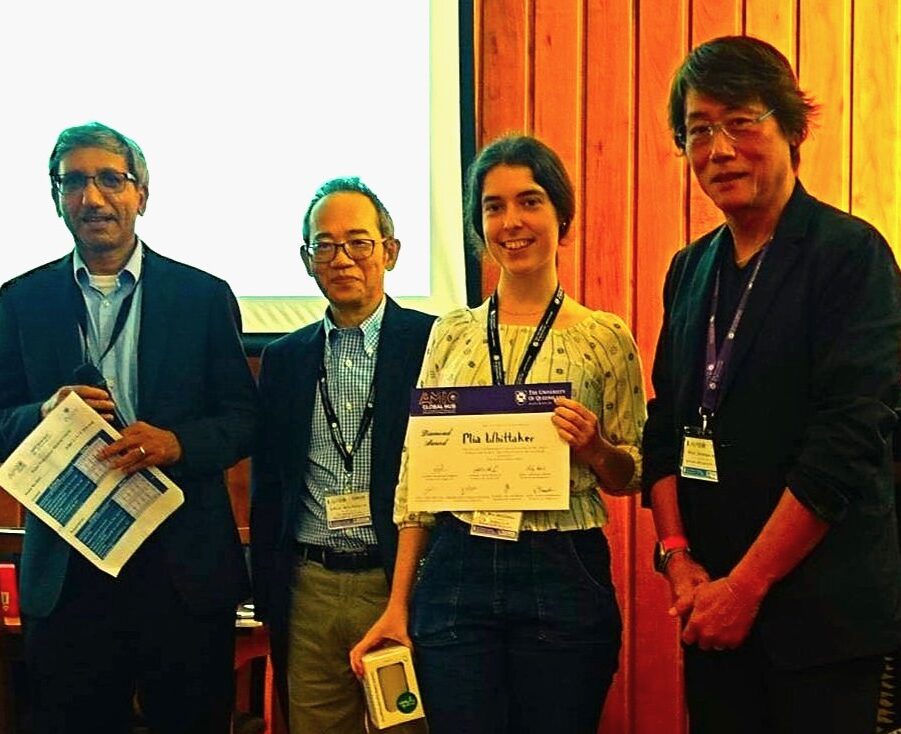
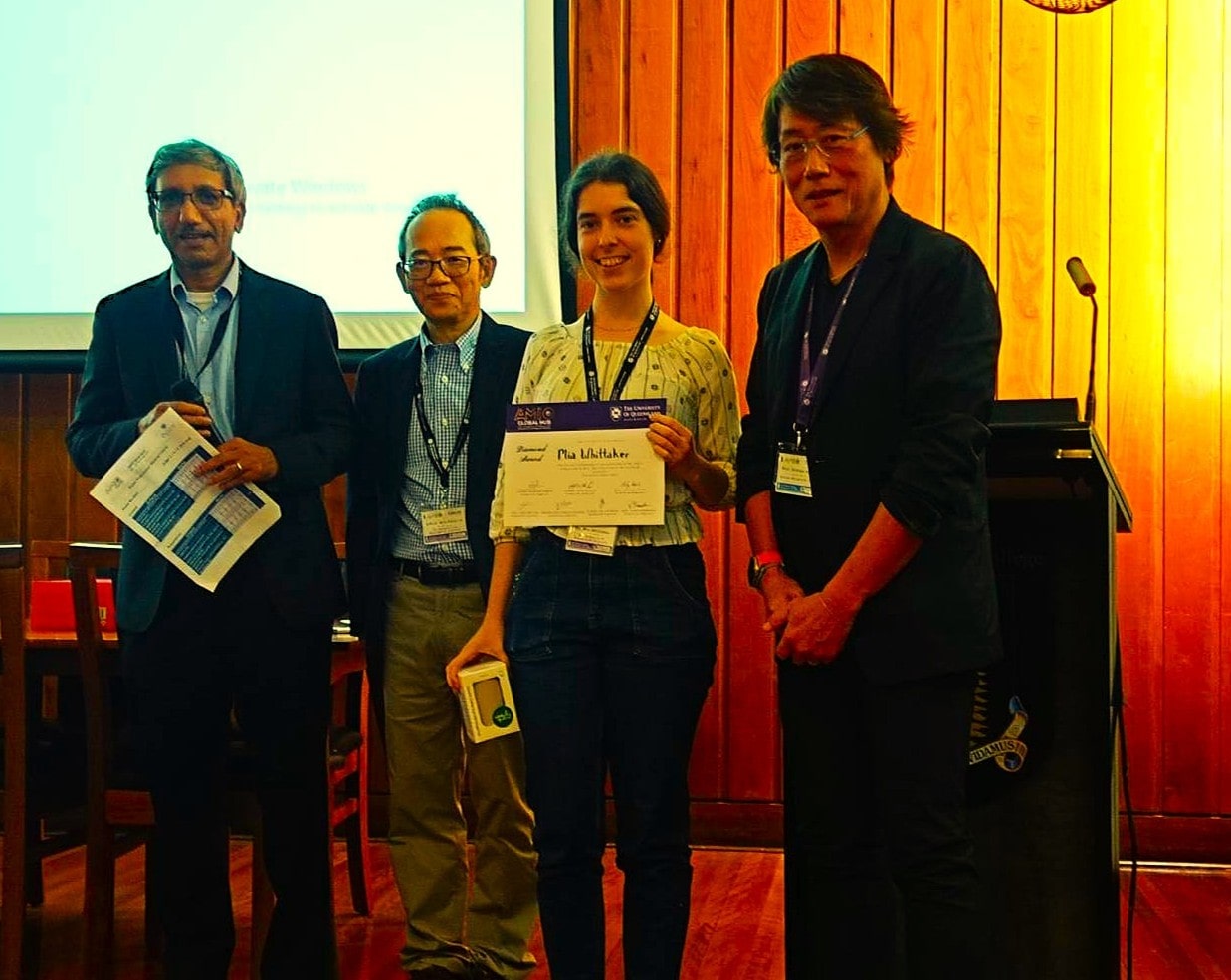
Mia Whittaker was honoured with the Diamond Award for her presentation titled “Organic Laser Materials: Structure-Property Modulation in Oligophenylenes for Efficient Light Emission” at the 2025 AMIO Symposium Poster Presentation.
Congratulations to the AMIO member, Dr. Dechan Angmo who has received a collaborative project under the Quad Clean Energy Supply Chain Diversification Program. The project entitled “New Clean Energy Supply Chains for Next-Generation Solar Cell Technology”
A new international initiative has been launched to accelerate the commercialisation of high-performance printed Perovskite Solar Cell (PSC) modules, addressing key challenges in efficiency, scalability, durability, and cost-effectiveness. In collaboration with two leading Indo-Pacific companies and an Australian university, the project will develop scalable manufacturing processes to enable the large-scale production of PSC modules. The partnership aims to overcome cost and supply chain bottlenecks in critical PSC materials — a vital step toward making next-generation solar technologies commercially viable.

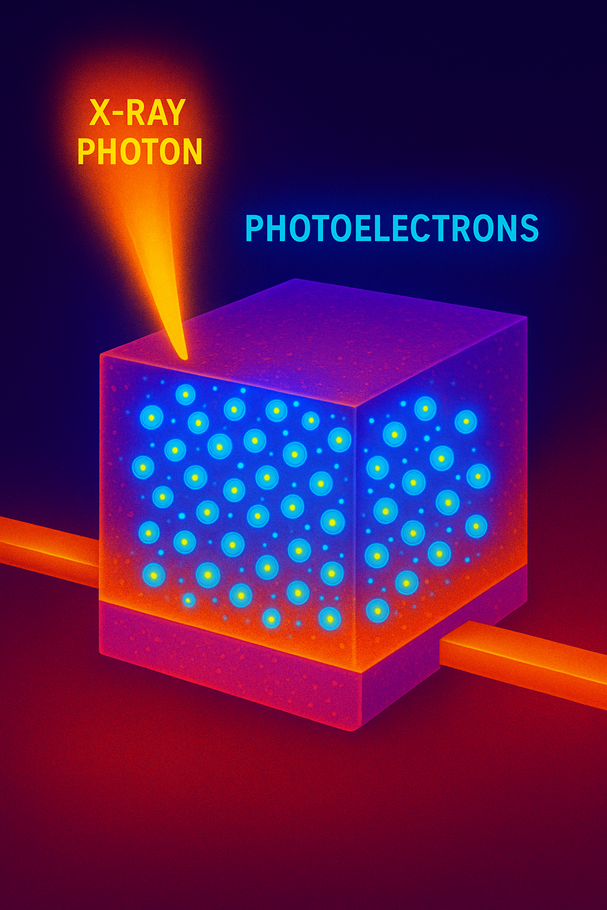
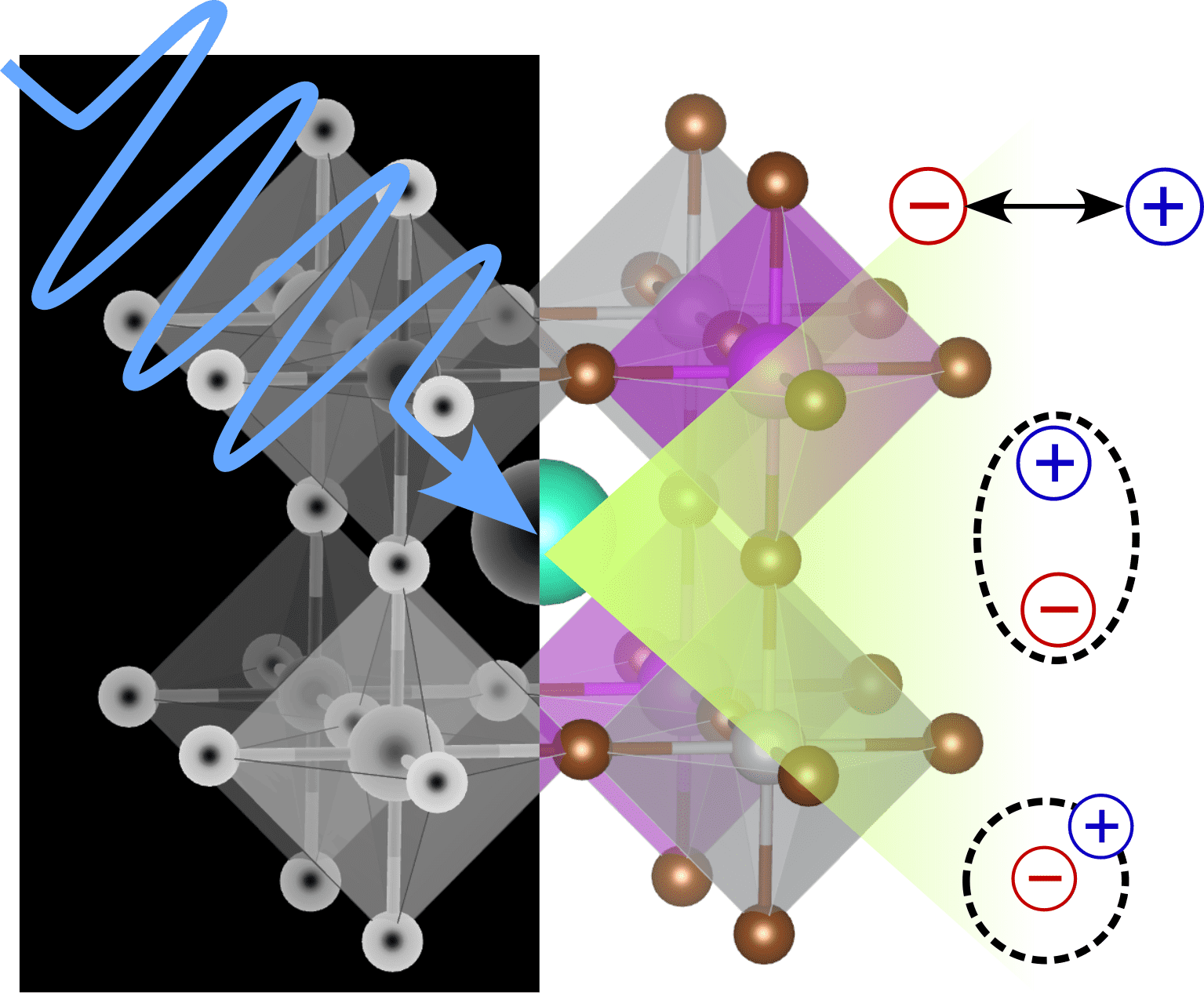
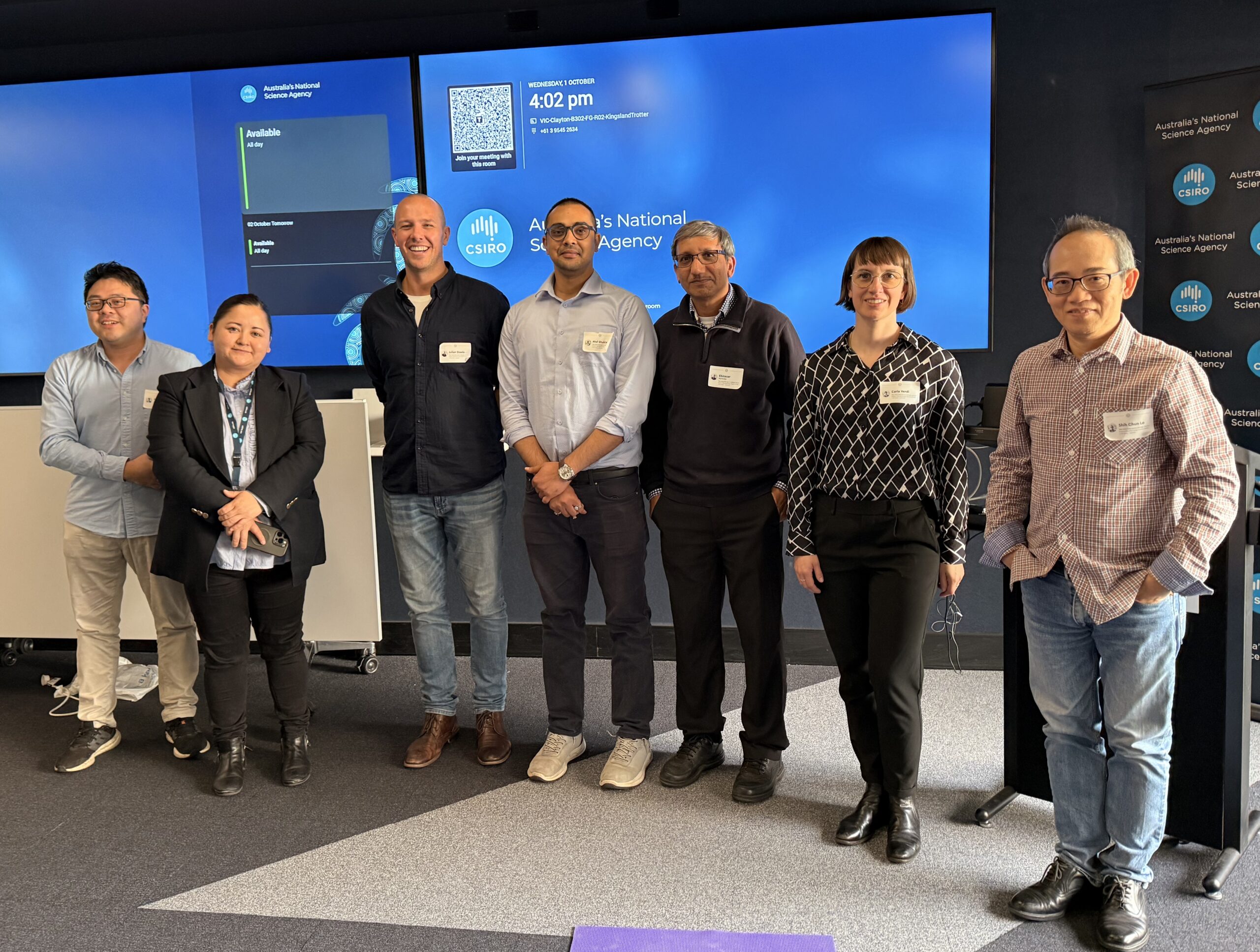
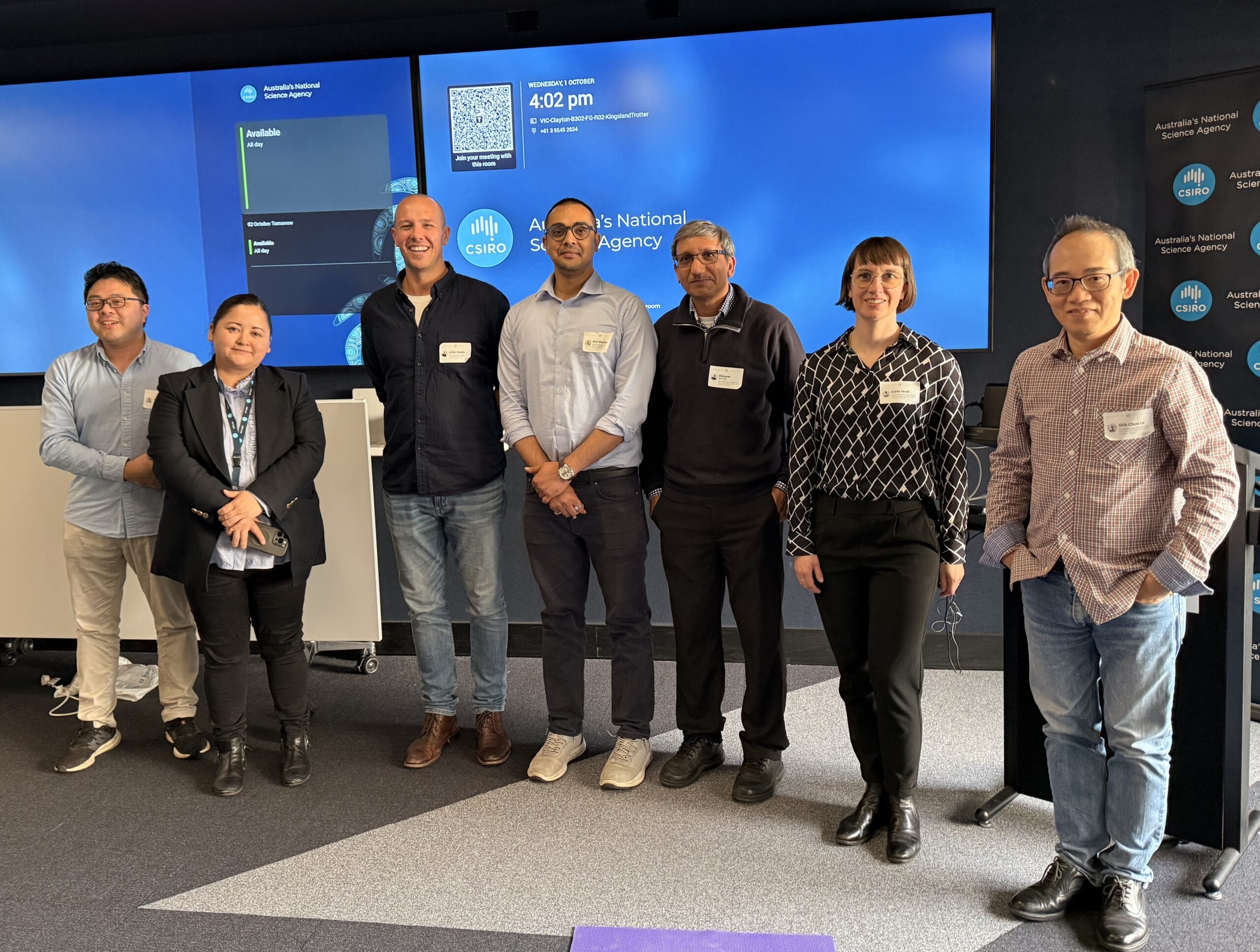
Congratulations to the AMIO member, Dr Julian Steele who has received an ARC Discovery Project award entitled “Photophysical Pathways in Next-Generation X-ray Detectors”.
The sensitive detection of X-rays embodies an important research area, being motivated by a common desire to minimise the radiation doses required for detection. Inspired by the emergence of novel solution-processed high-Z semiconductors, this project aims to develop a complimentary in-house testing platform to uncover and characterise next-generation X-ray sensitive materials. By combining innovative measurement capabilities with rigorous evaluation criteria, we’re fast-tracking the technological readiness of these materials and ensuring their compatibility with real-world industrial applications. Through strong national and international collaborations with leading X-ray science partners, we’re not just testing technology — we’re validating their commercial future, establishing AMIO as a leader in the next generation of X-ray detector innovation.


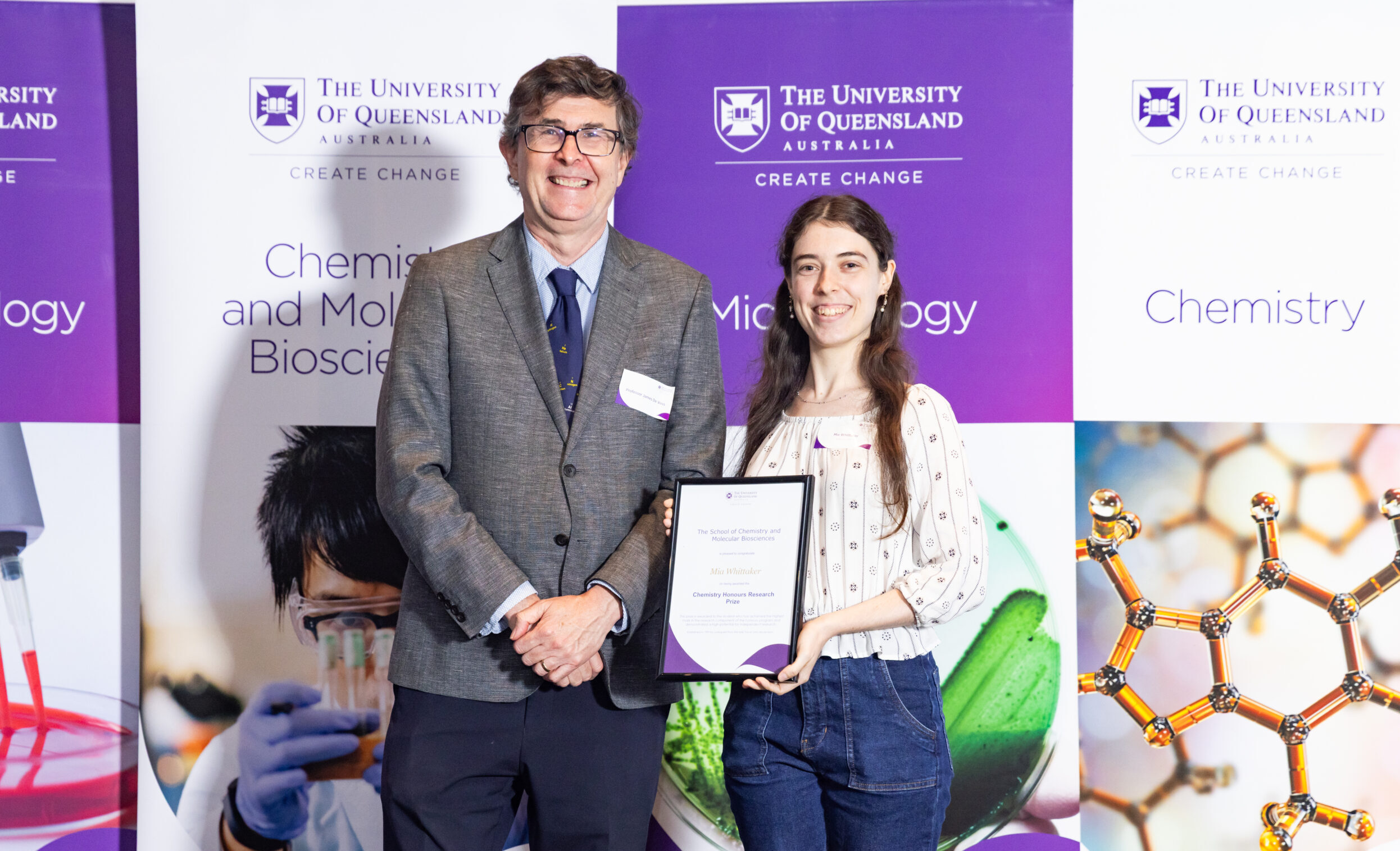
Mia Whittaker received the Chemistry Honours Research Prize from School of Chemistry and Molecular Biosciences for her outstanding achievements in Honours research.

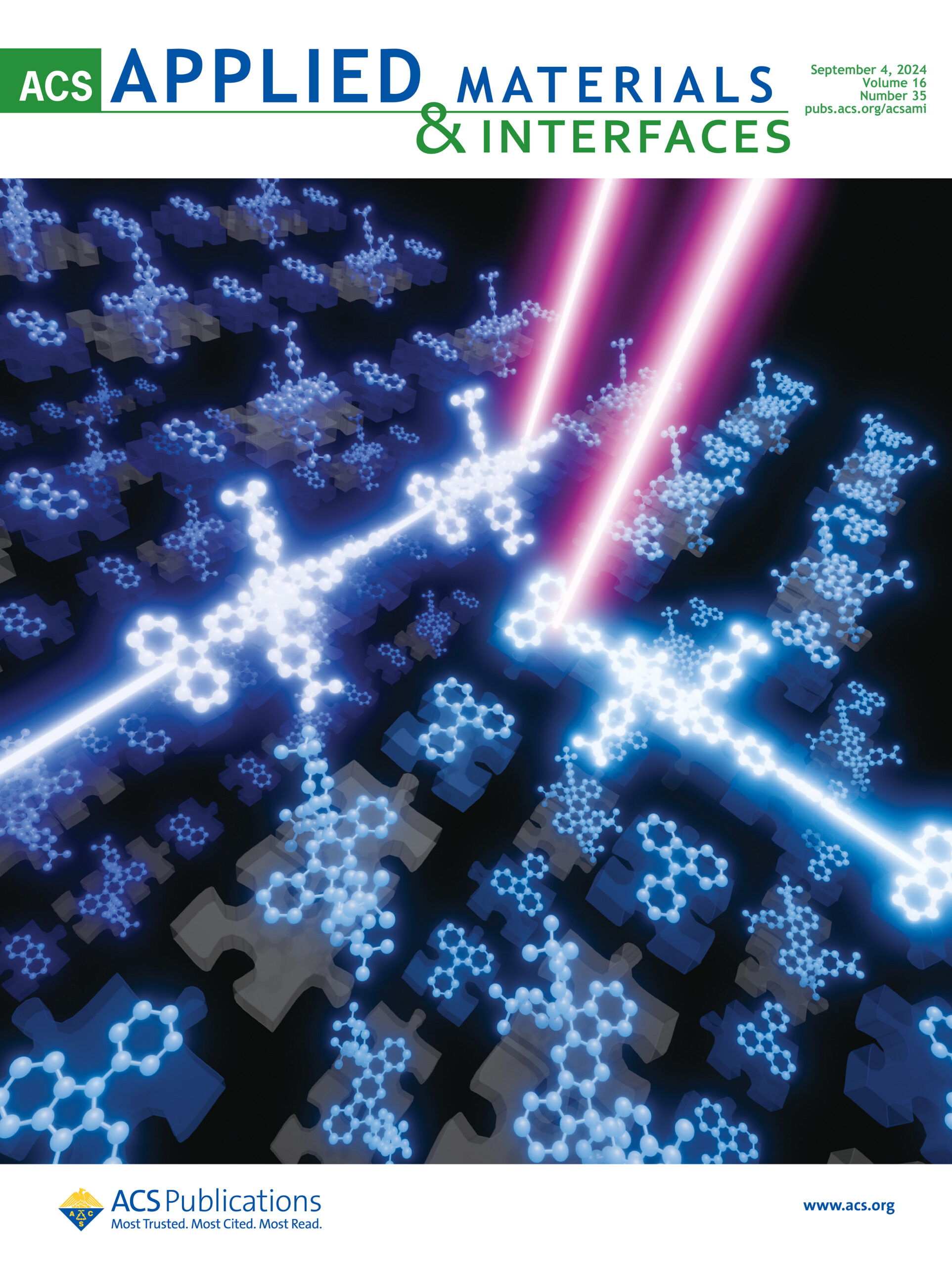
Our collaborative research work on organic semiconductor lasers has made it to the front cover of ACS Applied Materials & Interfaces.
Organic semicoductor lasers offer advantages like light weight, low-cost, flexibility, and tunable emission wavelengths. Despite this, efficient deep blue organic laser materials are scarce. This work demonstrates how end cap groups significantly improve the photophysical properties of oligophenylene-based chromophores, enhancing emission strength, reducing ASE thresholds, and achieving high quantum yields and stability.