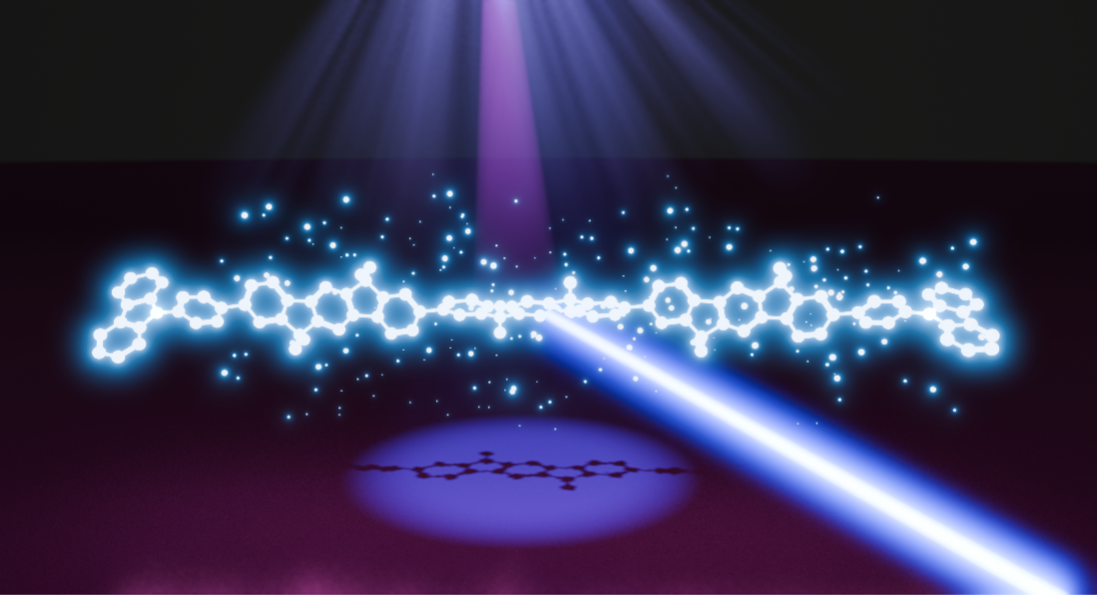
Our state-of-the-art Queensland Photon Detector Characterisation Facility (QPDC) is open for business. The facility provides the development of next-generation visible and near-infrared photon detectors based on advanced semiconductor materials. Bringing together continuous-wave, transient and single-photon measurement capabilities, the facility provides an integrated platform for device characterisation, performance validation and prototype development for quantum and advanced technology applications.
Designed as a one-stop shop for modular testing, QPDC offers streamlined and cost-effective access to specialised low photon-detection hardware and measurement capabilities that are unique in Australia. Our team is using the facility to develop smaller, lower-cost and more application-ready detector technologies for areas including lightweight drones, agricultural sensing, conformal-surface integration and quantum data transfer.
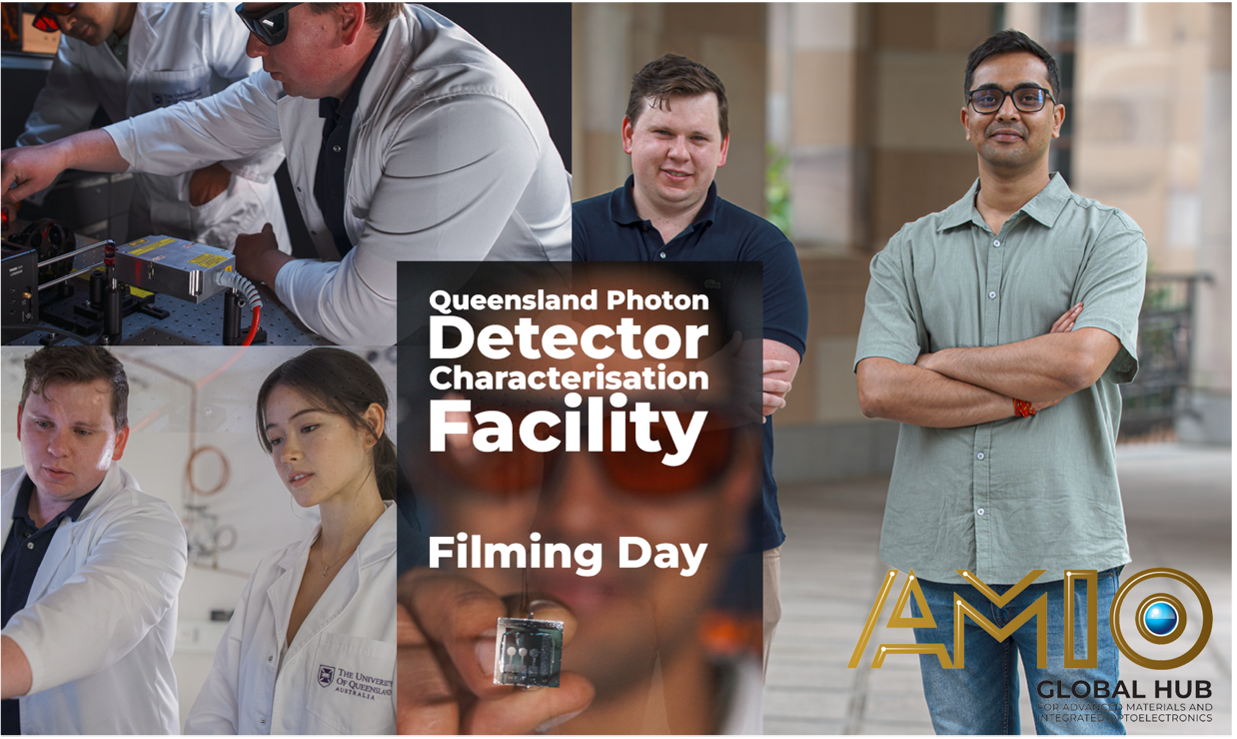 DETSI Website: https://science.qld.gov.au/industry/quantum/programs/infrastructure-program/qcip-facilities
The Queensland Photon Detector Characterisation Facility is proudly funded through the Queensland Government’s Quantum and Advanced Technologies Commercialisation Infrastructure Program